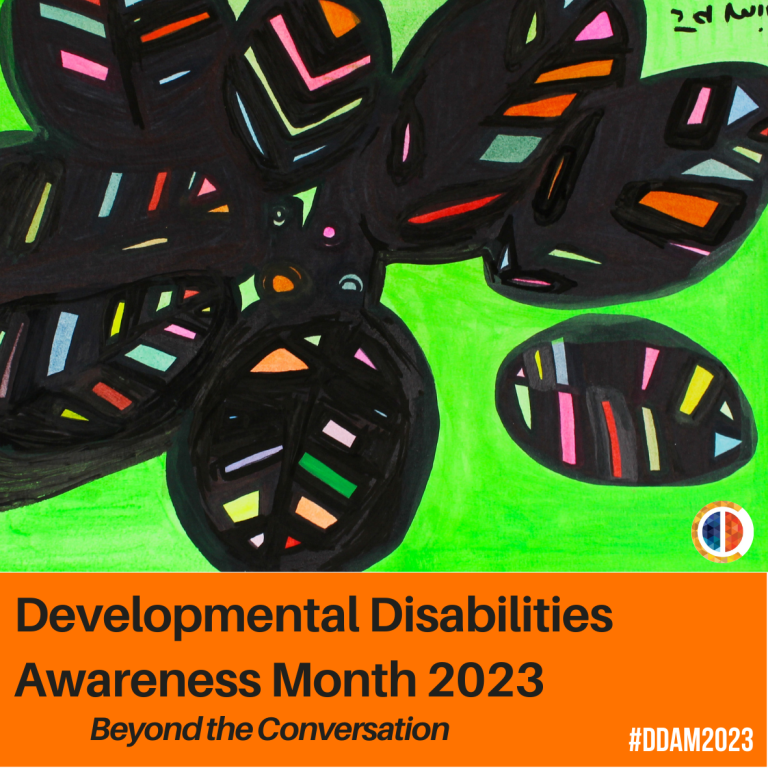
National Developmental Disabilities
Awareness Month
Developmental disabilities manifest during the developmental years of life, before the age of 22, and may impact day-to-day functioning, which can result in the continuing need for a variety of services designed to support full inclusion in community life. According to the Centers for Disease Control, about one in six children in the United States have one or more developmental disabilities or other developmental delays.
Texas is home to an estimated 480,000 children with developmental disabilities, including intellectual disabilities, down syndrome, autism, cerebral palsy, spina bifida, and fetal alcohol and drug-related syndromes.
National Developmental Disabilities Awareness Month is observed during the month of March and is dedicated to raising public awareness about the challenges facing those with developmental disabilities, as well as an opportunity to learn what Texas is doing to provide ongoing support and effective resources. It is a chance to promote respect, foster understanding and highlight the importance of prevention and early intervention initiatives
in the lives of children and families.
To learn more about this year’s National Developmental Disabilities Awareness Month activities and to download free awareness information, visit naccd.org.
Prevention Awareness Key for Fetal Alcohol Spectrum Disorders
Fetal alcohol spectrum disorders are some of the most preventable forms of birth defects, and the Texas Health & Human Services (HHS) Office of Disability Prevention for Children brings attention to the topic by working with its partners and stakeholders to promote awareness and education.
Exposure to alcohol in any amount is unsafe for a developing baby from any time after conception through the third trimester of pregnancy. An alcohol-free pregnancy is the best option for a developing baby.
These conditions are 100 percent preventable if a developing baby is not exposed to alcohol before birth. Babies born with fetal alcohol spectrum disorders can have lifelong physical, behavioral and learning problems. If alcohol was used during pregnancy, parents are urged to talk to their child’s doctor to monitor their baby’s growth and development.
HHS has worked with Texas Health Steps to develop an online course about the importance of providing early diagnosis, referrals and support for children who have a variety of fetal alcohol spectrum disorders, including those with subtle effects who might be misdiagnosed or undiagnosed. The free course was developed for HHS staff, providers and anyone working with the target population. To access the “Fetal Alcohol Spectrum Disorders: Promoting Early Identification and Support for Children” course, visit the Texas Health Steps website.
Texas has many resources to help children who experience developmental delays or other issues likely associated with fetal alcohol spectrum disorders. To learn more, visit the
HHS Office of Disability Prevention for Children webpage at PreventChildDisability.org.